Best 5 Financial Books Every Investor Should Read

Whether you're a seasoned investor or just starting your financial journey, the right books can provide invaluable insights. Here, we explore five essential books that every investor should read, illustrating their importance with real-world examples and case studies.
1. The Intelligent Investor by Benjamin Graham

Why You Should Read It:
Regarded as the bible of value investing, this book introduces the concept of intrinsic value and emphasizes the importance of a margin of safety. Benjamin Graham, the mentor of Warren Buffett, advocates for a disciplined and rational investment approach, making this book a must-read for anyone serious about investing.
Key Lessons and Case Studies:
- Concept of Mr. Market:
Graham introduces the metaphor of Mr. Market, an imaginary partner in your investments whose mood swings affect stock prices. This concept teaches investors not to let emotions dictate their decisions.- Real-World Example:
During the 2008 financial crisis, many investors panicked and sold their stocks. However, those who followed Graham’s principles, like Warren Buffett, saw an opportunity to buy undervalued stocks. Buffett’s investments in companies like Goldman Sachs and Bank of America during the crisis turned out to be highly profitable in the long run.
2. Common Stocks and Uncommon Profits by Philip Fisher

Why You Should Read It:
Fisher’s work focuses on qualitative factors that impact a company's long-term success. He advocates for investing in companies with strong management, innovation, and growth potential.
Key Lessons and Case Studies:
- Scuttlebutt Technique:
Fisher’s unique approach involves gathering information about a company from various sources, including employees, customers, and competitors.- Real-World Example:
Tech giant Apple is a classic example of Fisher’s principles in action. Fisher's emphasis on innovation aligns with Apple’s culture of continuous product development. Early investors who identified Apple’s potential reaped massive rewards as the company grew exponentially.
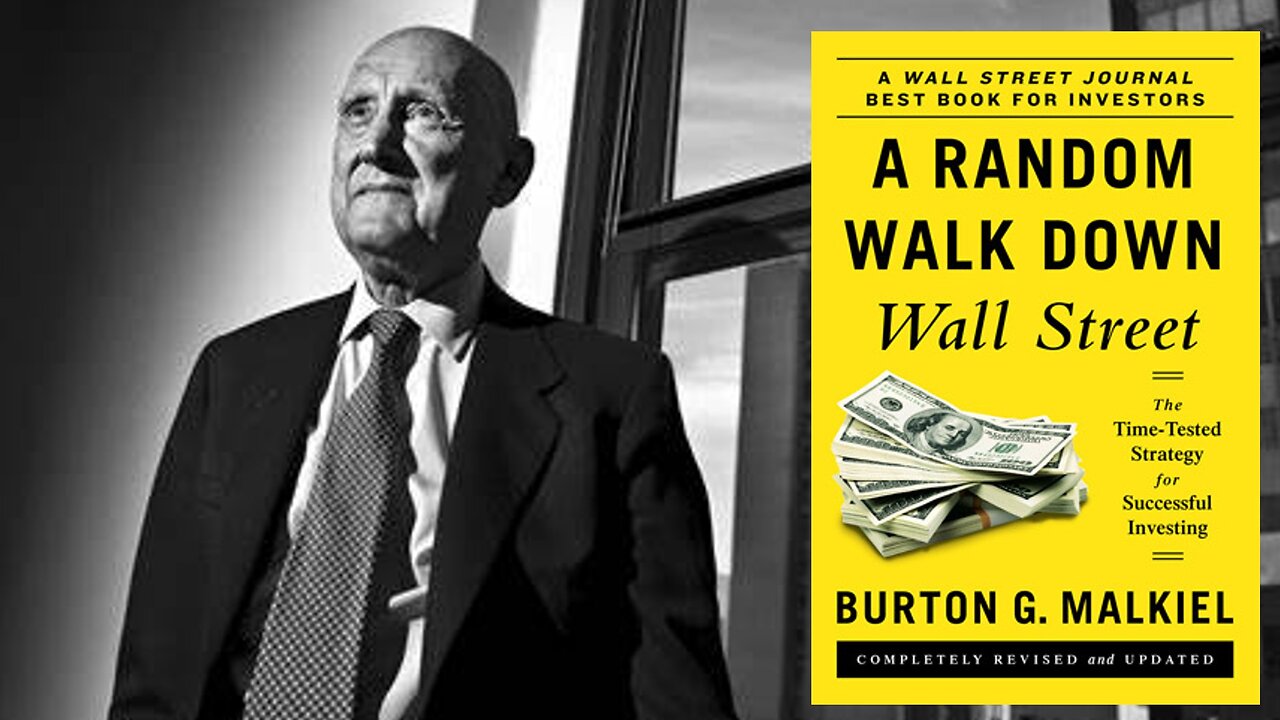
3. A Random Walk Down Wall Street by Burton G. Malkiel
Why You Should Read It:
This book popularizes the Efficient Market Hypothesis (EMH) and explains why passive investing often outperforms active strategies. Malkiel’s guidance on creating a diversified portfolio using index funds is especially relevant for modern investors.
Key Lessons and Case Studies:
- Index Funds vs. Active Management:
Malkiel’s research shows that over time, index funds generally outperform actively managed funds due to lower fees and the difficulty of consistently beating the market.- Case Study:
The rise of Vanguard’s S&P 500 Index Fund demonstrates the power of passive investing. Launched in 1976, the fund has delivered consistent returns with minimal fees, making it a favourite among long-term investors.
4. The Little Book That Still Beats the Market by Joel Greenblatt

Why You Should Read It:
Greenblatt simplifies complex financial concepts and introduces the “magic formula,” a quantitative strategy for identifying undervalued stocks. The book is highly practical and accessible, even for beginners.
Key Lessons and Case Studies:
- The Magic Formula:
The formula combines earnings yield and return on capital to rank stocks. This approach helps investors identify companies that are both profitable and undervalued.- Real-World Example:
Consider a hypothetical application of the magic formula during the early 2010s. Companies like Microsoft, undervalued relative to their earnings and growth potential at the time, were excellent picks. Investors who followed this strategy saw substantial gains as the company’s stock price soared in the following decade.
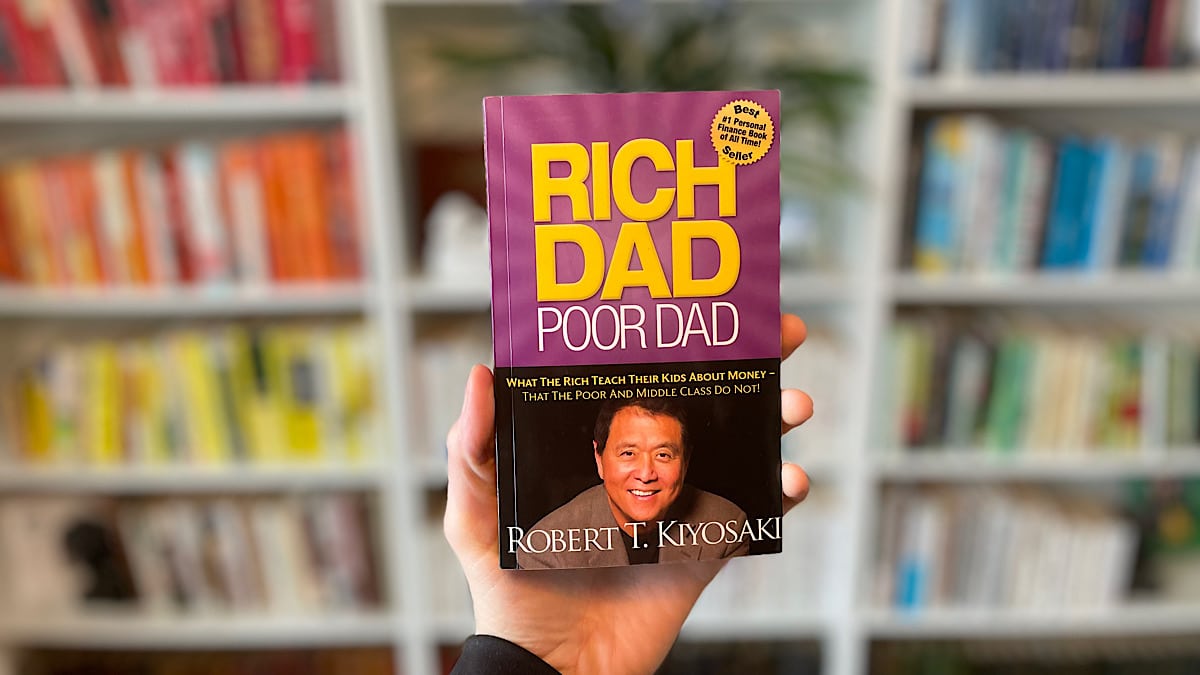
5. Rich Dad Poor Dad by Robert Kiyosaki
Why You Should Read It:
Kiyosaki focuses on financial education, emphasizing the importance of assets, cash flow, and understanding money management. While not strictly about stock investing, the book lays the foundation for building wealth.
Key Lessons and Case Studies:
- Assets vs. Liabilities:
Kiyosaki argues that true wealth lies in acquiring assets that generate income, such as stocks, real estate, or businesses, instead of liabilities that drain finances.- Case Study:
A young entrepreneur inspired by Kiyosaki’s principles might choose to invest in dividend-paying stocks or rental properties. Over time, these assets generate passive income, illustrating the book’s teachings.
Key Takeaways for Investors
These five books cater to different aspects of investing, from mastering value investing to understanding market behaviour and enhancing financial literacy.
Summary Table:
|
Book Title |
Key Focus |
Ideal For |
|
The Intelligent Investor |
Value Investing |
Long-term, risk-averse investors |
|
Common Stocks and Uncommon Profits |
Qualitative Analysis |
Growth-oriented investors |
|
A Random Walk Down Wall Street |
Efficient Market Hypothesis |
Advocates of passive investing |
|
The Little Book That Still Beats the Market |
Quantitative Investing |
Beginners looking for a simple investing strategy |
|
Rich Dad Poor Dad |
Financial Education and Wealth Building |
Anyone seeking financial independence |
Actionable Steps for Readers
- Start with Graham’s The Intelligent Investor if you’re new to investing and want to develop a strong foundation.
- Read Malkiel’s work to understand the benefits of passive investing and consider adding index funds to your portfolio.
- Apply Greenblatt’s magic formula to experiment with identifying undervalued stocks.
- Enhance your qualitative analysis skills by diving into Fisher’s methodologies.
- Adopt a wealth-building mindset with Kiyosaki’s practical advice on assets and liabilities.
Conclusion
Investing is as much about knowledge as it is about action. These books provide timeless wisdom, strategies, and perspectives that can transform how you approach the market. By learning from the experiences and principles outlined in these works, you can build a robust investment portfolio and achieve financial independence.
Take the first step today—pick up one of these books, and let your journey to becoming a successful investor begin!


Comments
Post a Comment